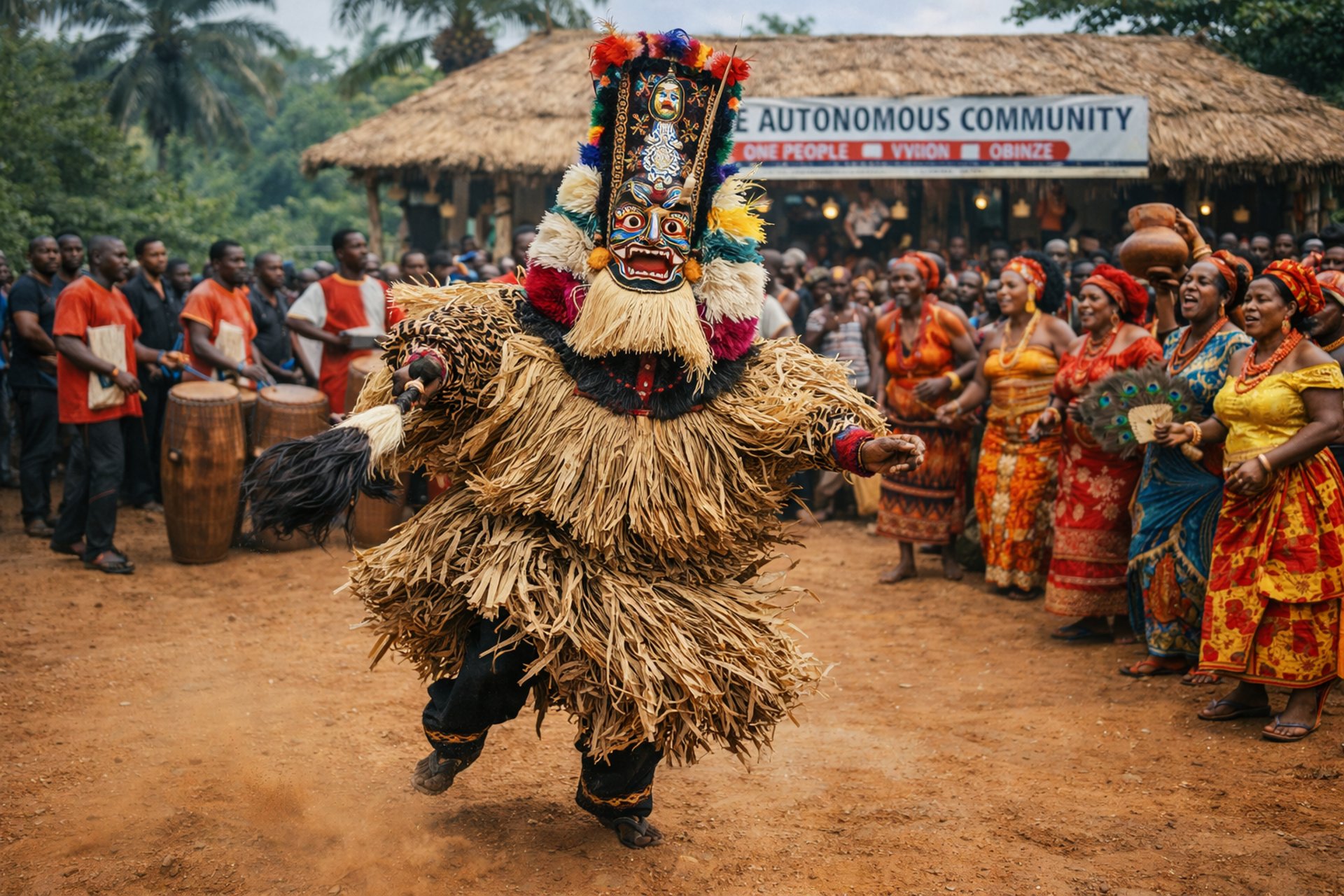
The history of Obinze Autonomous Community is deeply rooted in the rich cultural heritage, ancestral traditions, and communal values of the Igbo people. From its earliest settlement, Obinze has been shaped by kinship, shared customs, and collective responsibility. Through generations, the community has upheld unity, resilience, and respect for traditional authority, while producing leaders who have represented its interests at local, state, and national levels. This history reflects the enduring identity and pride of the Obinze people.
Origins and Background
Obinze is an Igbo community in southeastern Nigeria, close to the city of Owerri in Imo State, under the Owerri West Local Government Area.
Traditionally Obinze was made up of six clans/villages:
Umuagam
Obokwu
Umekpu
Umumeje
Umuezoroche
(and one other).
At some point, a section of the community, notably the Umuanunu clan, broke away to form its own autonomous community — this is what is now known as Umuanunu Autonomous Community within Obinze.
Development Factors
Obinze’s growth and increasing prominence stem largely from its strategic location along the Owerri–Port Harcourt Road, which has fueled commerce, transport links, and settlement expansion.
The community is close to important institutions such as the Federal University of Technology, Owerri (FUTO), and benefits from access to nearby states (Abia, Anambra, Rivers).
Security and Infrastructure
The 34 Artillery Brigade of the Nigerian Army is headquartered within Obinze, and its presence has been credited with enhancing local security and making the area safer than many others in Imo State. The Nation Newspaper
Recent Community Dynamics
Obinze (including its autonomous segment) continues to engage with state and local authorities over issues like land rights and infrastructure — for example, disputes and protests about encroachment and land use near major roads and institutions.
Cultural & Leadership Structure
Like many Igbo communities, Obinze has a traditional governance system with a monarch (Eze) His Royal Highness Eze Aaron Enyinnaya, Nzeukwu1 of Obinze
and community leadership (e.g., President General) Newly Elected: Mr. Nnaemeka Chiedo, who work with local members on development, tradition, and conflict resolution.
Illustrious Sons and Leaders of Obinze Autonomous Community
Obinze Autonomous Community has produced notable sons,daughter and leaders who have distinguished themselves in governance, community leadership, and public service, contributing meaningfully to the development of Imo State and Nigeria.
Hon. Uche Onyeagocha
Hon. Uche Onyeagocha is a prominent son of Obinze who served as a Member of the House of Representatives, representing the Owerri Federal Constituency. He was known for his active legislative engagement, advocacy for good governance, and dedication to the welfare and development of his constituents, thereby bringing national recognition to Obinze.Hon. Prince Ogbonna
Hon. Prince Ogbonna is an illustrious son of Obinze who has served as Executive Chairman of an Imo State Commission. His tenure in public service reflected strong administrative leadership and commitment to effective governance and policy execution within Imo State.Chief Joseph Ejiofor
Chief Joseph Ejiofor is remembered as a respected former leader of the Harriengay Council, where he played a significant role in community administration, grassroots leadership, and conflict resolution. His leadership contributed to unity, orderly governance, and the strengthening of traditional and civic institutions within Obinze Autonomous Community.
Together, these individuals exemplify Obinze’s rich heritage of leadership, service, and civic responsibility. Their legacies continue to inspire present and future generations to uphold the values of integrity, unity, and development
“Every act of kindness, however small, leaves a lasting impact..”